
Understanding Household Cash Flow Optimization
Cash flow isn’t complicated once you understand it. We break down inflows, outflows, and timing strategies that’ll help you keep money moving in the right direction throughout each month.


What Cash Flow Actually Means
Cash flow is the movement of money in and out of your household. That’s it. Income flows in—salary, bonuses, side gigs. Expenses flow out—rent, groceries, utilities. When you understand the timing and amounts, you’re not scrambling at the end of the month wondering where the money went.
Here’s the thing: you could earn $50,000 a year and still struggle financially if your cash flow is poorly timed. You might have plenty of money, but it arrives after your bills are due. That’s a cash flow problem, not an income problem. We’ve worked with families making solid incomes who felt broke most months, simply because they didn’t understand when money was coming and going.
The goal isn’t to become an accountant. It’s to know enough that you’re never caught off-guard. You’ll recognize patterns—when money is tight, when you can breathe, when you can invest in something bigger.

The Timing Problem
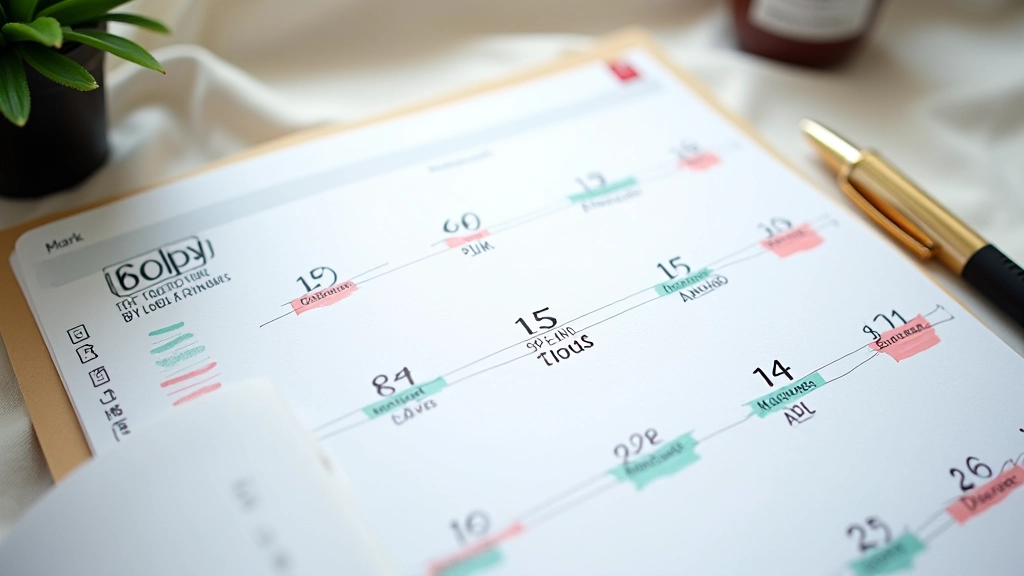
Let’s say you’re paid on the 25th of each month. Your rent is due the 1st. Your car insurance is the 10th. Utilities on the 15th. You’ve got income, you’ve got expenses—but they’re misaligned. The gap between the 1st and the 25th is where most households feel the squeeze.
Some people solve this by keeping a buffer—maybe $2,000-$3,000 sitting in checking. That way, when the 1st comes around, money’s already there waiting. Others get paid twice a month and time their bills accordingly. There’s no single right way. What matters is that you recognize the pattern and plan around it.
We had one client who kept overdrafting on the 8th of every month. She thought she didn’t earn enough. Turns out, she earned plenty—but her biggest paycheck didn’t arrive until the 25th. Once she moved a few bills to the 26th and adjusted her grocery shopping to post-paycheck, the problem vanished. Same income, better timing.
Tracking Inflows and Outflows
Start simple. For 30 days, write down every dollar coming in and every dollar going out. Don’t judge it. Don’t stress about categories yet. Just capture the numbers and dates. You’ll spot patterns quickly—subscriptions you forgot about, weekly coffee runs that add up, the exact dates money enters your account.
Key Inflows to Track: Salary, bonuses, side income, refunds, gifts, interest earned
Most people are shocked when they actually count. A family we worked with discovered they were spending $340 monthly on food delivery apps. Not meals—just the delivery. They hadn’t realized because the charges came daily in small amounts. Once visible, the decision became easy: cook at home 80% of the time, delivery on weekends only. That’s $260 freed up monthly.
Key Outflows to Track: Housing, utilities, insurance, groceries, transport, subscriptions, personal care, everything else


Building Your Cash Flow Statement
A household cash flow statement is just a simple document showing what comes in, what goes out, and what’s left. You don’t need fancy software—a spreadsheet works fine. Column A: the month. Column B: inflows. Column C: outflows. Column D: the difference.
If inflows exceed outflows, you’re positive. That extra money can go to savings, debt payoff, or investment. If outflows exceed inflows, you’re negative—that’s when you’re going backwards, borrowing from future paychecks or savings. Neither is permanent, but you need to see it to change it.
Do this monthly for three months. By month three, patterns emerge. You’ll see which months are tight (maybe December with holidays?), which are stronger (tax refund in April?). You’ll know exactly how much flexibility you have and where you can adjust.
Optimization Strategies That Work
Once you can see your cash flow, optimization becomes straightforward. You’re looking for three things: reducing outflows where possible, increasing inflows if you can, and smoothing timing mismatches.
Sync Bills with Paydays
Call creditors and ask to change due dates. Most will accommodate. If you’re paid on the 25th, schedule bills for the 26th onwards. This removes the guessing game.
Build a Buffer
One month of expenses sitting in checking creates breathing room. It doesn’t need to be large—even $1,500 transforms how you feel about money.
Eliminate Drains
Subscriptions, unused memberships, impulse spending—these are the easiest wins. One family found $180 monthly just by canceling apps they’d forgotten about.
Automate What You Can
Set up automatic transfers to savings right after payday. You’ll forget about it, which means you won’t be tempted to spend it. Automation is your friend.

The Bottom Line
Cash flow optimization isn’t about being perfect or never spending money. It’s about intentionality. You’re choosing where money goes instead of letting circumstances decide for you. That shift alone—from reactive to proactive—changes everything.
Start this month. Track for 30 days. Build a simple statement. Identify one change you can make—maybe syncing a bill with payday, maybe cutting one subscription. That’s enough to start. The confidence you’ll feel from having control? That’s worth more than any dollar amount.
Educational Information
This article is for educational purposes only. It’s not financial advice tailored to your specific situation. Everyone’s circumstances are different—income levels, expenses, financial goals. We recommend discussing major financial decisions with a qualified financial advisor who understands your complete picture. This content reflects general principles, not personalized recommendations.